
From the Ground Up: Why Winter Is the Smart Season to Plan Spring Excavation
A spring groundbreaking starts with decisions made long before the excavator arrives.
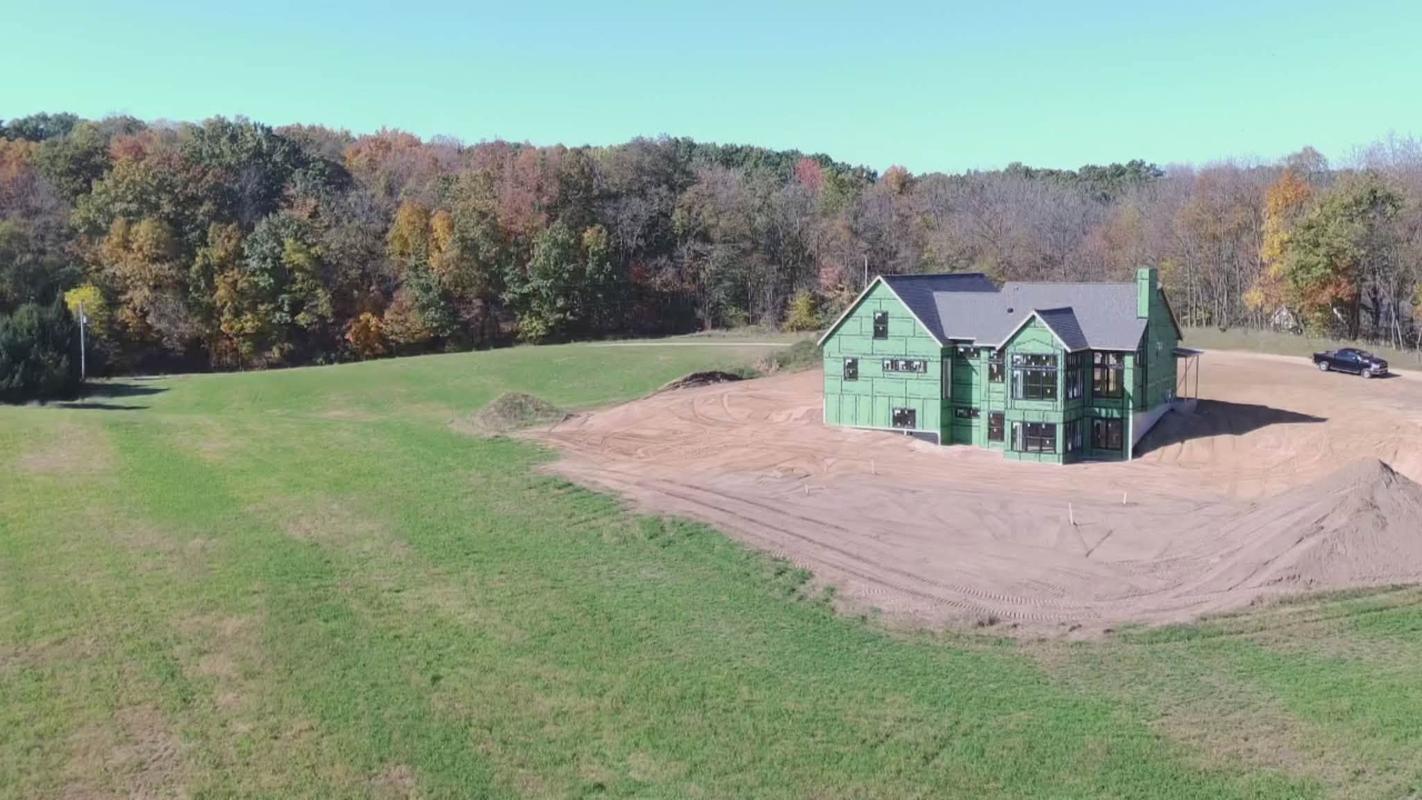
If you are planning a new home, garage, pole barn, or commercial building in Southwest Michigan, November and December are a practical time to bring your excavation contractor into the conversation. You can work through site layout, permit requirements, drainage, utilities, and construction access while there is still time to adjust the plan.
Early planning also gives you more opportunity to discuss spring availability. Your actual start will depend on the agreed schedule, required approvals, site readiness, weather, and road conditions.
Why bring an excavation contractor in before spring?
Your floor plan shows what you want to build. The excavation plan helps determine how that building will work on your property.
Building location, foundation elevation, driveway access, utility routes, and drainage all affect one another. Reviewing them together can reveal problems before they turn into revised drawings, additional hauling, or repeated site work.
For example, a driveway that looks convenient on paper may conflict with the proposed drainfield. A basement elevation may need another look once drainage is considered. Those are better conversations to have before construction starts.
Kalamazoo Excavation provides new construction excavation for residential and commercial projects, including foundation excavation, grading, drainage, and utility installation.
The earlier we can look at the property with your builder, the more time we have to work through access, drainage, and utilities before crews are ready to start.
Matt McDaid, Operations Manager, Kalamazoo Excavation
1. Build one site plan that accounts for the whole property
Start with the property address, available survey, proposed building plans, and your target construction window. Then review:
- Property boundaries, easements, and applicable setbacks.
- The proposed building footprint and foundation elevation.
- Driveway location, delivery access, and equipment turning space.
- Septic or municipal sewer connections, water service, and other utilities.
- Existing slopes and proposed drainage routes.
- Trees, structures, and areas you want protected.
- Space for stockpiled topsoil, excavated material, and deliveries.
Bring your builder, excavation contractor, and surveyor or engineer into the relevant decisions. Confirm who is responsible for each drawing, application, and approval.
2. Identify permits before setting a digging date
A building permit may be only one part of the approval process. Depending on the property and scope, ask the appropriate agencies about zoning, septic and well approvals, driveway access, utility connections, soil erosion controls, and any wetland or floodplain review.
Michigan EGLE says a soil erosion permit is generally required for earth changes disturbing one or more acres or occurring within 500 feet of a lake or stream. Confirm how the requirements apply to your site with the local enforcing agency.
Kalamazoo County also states that required soil erosion permits must be obtained before qualifying earthwork begins. Winter gives you time to identify the right offices, prepare a complete application, and address requested revisions.
Ask when permits expire and whether inspections or field evaluations have seasonal limitations. Applying early should support your construction window, so confirm the timing before submitting.
A target start date gives us something to work toward. The next step is making sure everyone knows which approvals are needed, who is handling them, and what still needs to happen before the crew arrives.
Kaylee Hardenbrook, Office Operations and Field Liaison, Kalamazoo Excavation
3. Resolve septic suitability and utility routes early
For a property that needs a septic system, avoid treating the drainfield as whatever space remains after placing the house, driveway, and garage.
Kalamazoo County’s sanitary code considers soil conditions and high groundwater when evaluating a site for an onsite sewage treatment system. Those findings can affect the layout and system design.
Start the septic installation planning conversation early, and ask the health department what evaluations are needed and when they can be completed. Snow, frost, access, and evaluation requirements may limit winter fieldwork.
If municipal services are available, review sewer and water installation before finalizing the excavation scope. Confirm connection locations, approval responsibilities, and whether work will affect a road or public right-of-way.
4. Plan how earth, equipment, and materials will move
Earthmoving logistics can influence both the estimate and the construction sequence. A useful winter planning conversation includes:
- Whether excavated soil may be suitable for approved reuse or needs off-site disposal.
- Where topsoil can be stored for later restoration.
- How unsuitable soil, buried debris, or unexpected groundwater will be handled and priced.
- Whether imported fill or stone may be needed.
- Where trucks can unload without blocking the next trade.
- How construction traffic will avoid protected areas, including the planned drainfield.
Coordinate grading and excavation with access planning. A construction driveway or culvert may need attention before foundation excavation can begin.
5. Account for spring thaw and road restrictions
The first warm week does not automatically mean every property is ready for heavy equipment. Site conditions need to support the planned work.
Transportation matters, too. Michigan uses seasonal weight restrictions to protect roads during spring thaw. County and city restrictions can differ from state restrictions, so equipment transport and material deliveries need a route-specific review.
Ask your excavation contractor how access conditions and seasonal restrictions could affect hauling, deliveries, and the proposed start window. Build flexibility into the schedule rather than tying every trade to the first warm day.
Getting the excavator to the property is one part of the plan. We also need to know how trucks will get in, where they can unload, and whether seasonal road restrictions affect the route.
Shawn Metelka, Shop Supervisor and Trucking Manager, Kalamazoo Excavation
A practical winter-to-spring planning timeline
Use this as a coordination guide. Your project may need a different sequence.
November–December
Contact your excavation contractor, share plans, review scope, discuss availability, and identify required evaluations and approvals.
January–February
Coordinate surveys and engineering as needed, submit applications at the appropriate time, and resolve layout and utility questions.
Before mobilization
Confirm approvals, layout staking, utility locating, access, erosion controls, and responsibilities for inspections and deliveries.
When conditions allow
Begin according to the confirmed schedule and coordinate excavation with the foundation crew and other trades.
What to ask before reserving spring excavation
- What plans and site information do you need to prepare an estimate?
- Does the scope include clearing, hauling, fill, grading, and restoration?
- Which conditions could change the price?
- Who handles permits, engineering, utility coordination, and inspections?
- What must be completed before the project can be scheduled?
- How is the start window confirmed, and how are weather delays handled?
Get the scope, exclusions, payment terms, and scheduling conditions in writing. A productive winter conversation should leave you knowing what happens next and who owns each step.
Frequently asked questions
Does booking in November or December guarantee the first spring slot?
Booking early doesn’t guarantee the first spring slot, but it can improve your chances of securing your preferred construction window. It also gives you and your contractor more time to coordinate permits, site plans, septic and utility needs, equipment access, and other trades. Your start date will still depend on confirmed availability, required approvals, weather, and site conditions.
Can I start planning before my building plans are final?
Yes. Preliminary plans can support an initial discussion about layout, access, and scope. A firm estimate or confirmed schedule may require additional drawings, evaluations, and approvals.
What if the property needs clearing or demolition first?
Include site clearing and preparation or demolition in the original scope so removal, utility coordination, and site preparation can be sequenced before the new build.
Emergency demolition, emergency septic repairs, and emergency sewer and water work require a separate discussion about urgency and current response availability. Contact Kalamazoo Excavation to discuss the situation.
Start your spring excavation plan with Kalamazoo Excavation
A clearer site plan today gives your spring build a stronger starting point.
Kalamazoo Excavation is a veteran-owned company serving residential and commercial clients throughout Southwest Michigan. If you value supporting local veteran-owned businesses, our team brings that commitment to service to your project, with clear communication, attention to detail, and a focus on five-star service.
Send us your property address, available plans, and target construction window. We’ll discuss your excavation needs, next steps, and current scheduling availability.
Start planning your spring excavation
(269) 888-1195